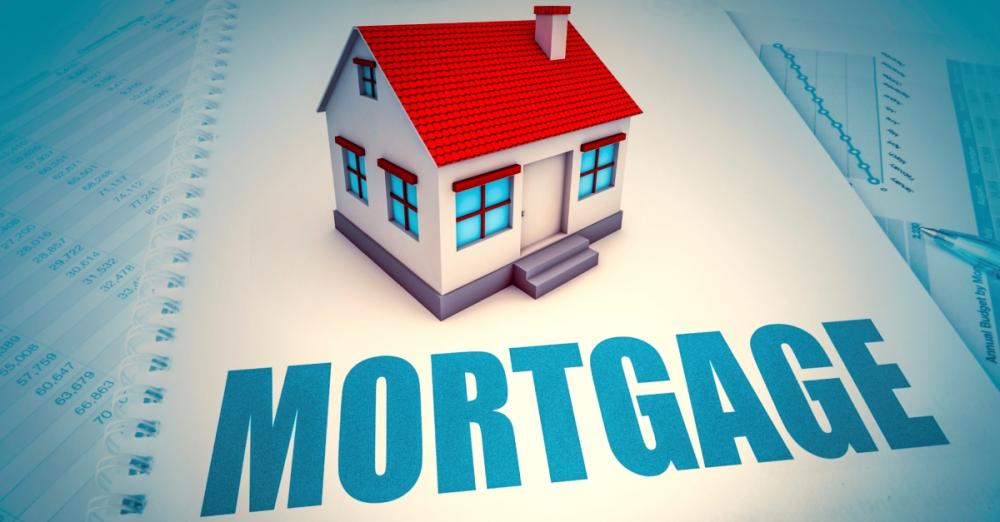
If you need a mortgage to buy a house but lack the funds to make a 20% down payment, you might end up paying an added fee called private mortgage insurance, or PMI.
So what exactly is PMI? In the same way homeowners insurance protects you in case of problems in your home, PMI protects your lender in case you default on your loan.
Who needs private mortgage insurance?
There are two types of mortgage insurance: private and government. If you have a government-backed loan, such as an FHA loan, you pay mortgage insurance to the government. If your loan is not government-backed, you pay private mortgage insurance (PMI) to a corporate entity.
Lenders typically require PMI of home buyers if they put down less than 20% of the home’s value. The reason: Lenders see buyers with less money invested in a property as more likely to default on their mortgage and go into foreclosure, so these lenders are trying to protect themselves from that. It’s the trade-off for being able to buy a home with as little as a 3.5% down payment (which is the minimum required for an FHA loan).
In case you do default on your mortgage, PMI pays benefits to your lender to cover the loss.
How much private mortgage insurance costs
Expect your PMI payment to range from about 0.3% to 1.15% of your home loan. The most common way to pay PMI loan premiums to your lender is in monthly installments, but you may also be able to make your PMI payments in an upfront cost at your home closing, or roll it into the cost of the loan. Ask your lender for its PMI options. Then do the math for both the long term and short term, and compare it with your homeownership plans.
|